Designing Stable Personalities and Behaviours for LLMs
Discover the hidden layer of AI prompting that creates consistent, reliable behavior. Learn the crucial difference between system prompts (foundational instructions) and user prompts (specific requests), and how this two-layer approach enables stable AI personalities, brand voice consistency, and effective AI applications. Essential knowledge for 2024's AI landscape.
1/22/20243 min read
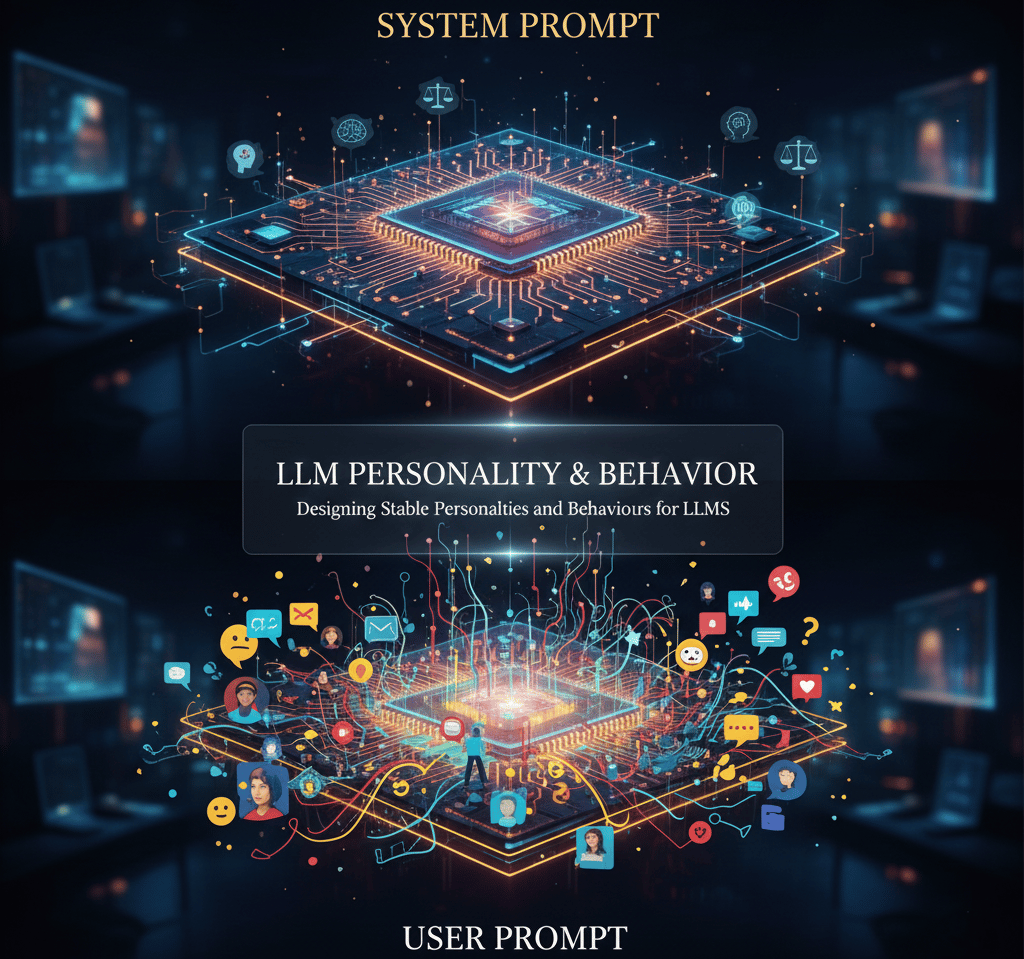
If you've only been using AI through the chat interface, you've been working with half the picture. There's a hidden layer of prompting that most people never see—but it's actually the most powerful tool for creating consistent, reliable AI behavior. Today, we're diving into the distinction between system prompts and user prompts, and why understanding this difference can transform how you work with AI.
What Are System Prompts?
Think of a system prompt as the AI's operating instructions—the foundational rules that govern how it behaves across an entire conversation. It's like the job description and company handbook an employee receives on day one. This instruction set runs in the background, shaping every response the AI gives.
System prompts are typically set once at the beginning and remain constant throughout the interaction. They define the AI's personality, expertise, communication style, and boundaries.
For example, a system prompt might say: "You are a friendly customer service representative for a sustainable clothing brand. You're knowledgeable about eco-friendly fabrics, ethical manufacturing, and fashion trends. Always maintain a warm, helpful tone. Never discuss competitor brands negatively. If you don't know an answer, offer to connect the customer with a specialist."
This instruction doesn't just affect one response—it shapes every single message the AI sends during that conversation.
What Are User Prompts?
User prompts are what most people are already familiar with. These are the individual messages and questions you type into the chat interface. Each user prompt is a specific request or instruction for that particular moment in the conversation.
Using our customer service example, user prompts would be things like:
"What materials are your winter jackets made from?"
"Do you offer international shipping?"
"I need help processing a return"
User prompts are dynamic and change with each interaction. They're the specific tasks you want accomplished within the framework established by the system prompt.
Why This Distinction Matters
Understanding the difference between these two types of prompts unlocks significant advantages, especially if you're building AI applications, chatbots, or using AI APIs.
Consistency Across Interactions
System prompts ensure the AI maintains the same personality and approach regardless of what users ask. Without a system prompt, an AI assistant might be formal in one response and casual in the next, creating a jarring user experience.
Imagine a mental health chatbot that's empathetic in one message but flippant in the next. System prompts prevent this inconsistency by establishing stable behavioral guidelines.
Efficiency and Clarity
Instead of repeating instructions in every single user prompt ("Remember, you're a tax advisor specializing in small businesses..."), you set these parameters once in the system prompt. This keeps user prompts focused on the actual task at hand.
Safety and Boundaries
System prompts can establish guardrails that persist throughout the conversation. For a children's educational app, the system prompt might include: "Always use age-appropriate language. Never discuss topics inappropriate for children under 12. If asked about sensitive subjects, redirect to educational content."
These boundaries remain in effect no matter what users ask, providing a consistent safety layer.
Practical Applications
Building Custom AI Assistants
If you're creating a specialized AI tool—say, a recipe assistant for people with dietary restrictions—your system prompt might establish:
Expertise in various dietary needs (gluten-free, vegan, low-sodium)
A conversational, encouraging tone
Always asking about allergies before suggesting ingredients
A habit of providing metric and imperial measurements
Every user query then gets handled through this specialized lens.
Creating Brand Voice Consistency
Companies using AI for customer communication can encode their brand voice into system prompts. Whether the AI is answering support tickets or generating marketing copy, it maintains consistent tone, vocabulary, and values.
A luxury brand might establish sophistication and exclusivity in its system prompt, while a youth-focused brand might emphasize energy and contemporary slang.
Educational Tools
A tutoring AI's system prompt might specify: "You are a patient math tutor for middle school students. Never give direct answers. Instead, guide students to discover solutions through Socratic questioning. Celebrate effort and progress. If a student is frustrated, encourage them and break problems into smaller steps."
This ensures every interaction supports the pedagogical approach, regardless of which math problem a student asks about.
How to Access System Prompts
For everyday users of ChatGPT or Claude, system prompts are generally managed by the platform. However, if you're using AI APIs or building applications, you have direct control over system prompts.
Most AI platforms with API access allow you to specify system prompts separately from user messages, giving you architectural control over AI behavior.
Some platforms also offer "custom instructions" or "memory" features that function similarly to system prompts, allowing you to set persistent preferences for your personal AI interactions.
The Power of Layered Instructions
The real magic happens when you combine well-crafted system prompts with specific user prompts. The system prompt provides the stable foundation—the "who" the AI is—while user prompts provide the dynamic requests—the "what" you need done.
Master this two-layer approach, and you'll create AI interactions that are not only more effective but also more reliable, safe, and aligned with your specific needs. In 2024, as AI becomes increasingly integrated into products and services, understanding system versus user prompts isn't just technical knowledge—it's essential literacy.